
Is it desirable that misinformation about public health matters of vital importance is discouraged and restricted – for example, misinformation claiming that Covid vaccines cause more deaths than the Covid virus itself?
Yes.
Is it desirable to discourage and restrict hate speech online or in broadcasts – notorious examples would be Rwandan radio broadcasts describing Tutsis as “cockroaches” before the genocide there, or antisemitic and Islamophobic articles, websites or posts?
Yes.
Is it desirable to discourage and restrict websites and apps, for which there is strong evidence that they are addictive to minors and have negative effects on their mental health?
Yes.
Is it desirable to restrict illegal speech on the internet – for instance, speech that calls for attacks against a minority group? Speech that is likely to lead to imminent unlawful activity, including violence?
Yes.
Is it desirable that there are public bodies and laws which monitor and regulate media and press output – to ensure that the information released is accurate? Yes. Such laws already exist in the UK, and in many other countries – in the UK there’s the Independent Press Standards Organisation for newspapers and other outlets, and there is Ofcom for broadcasters.
Yes.
Are these measures a tyrannical suppression of free speech?
No.
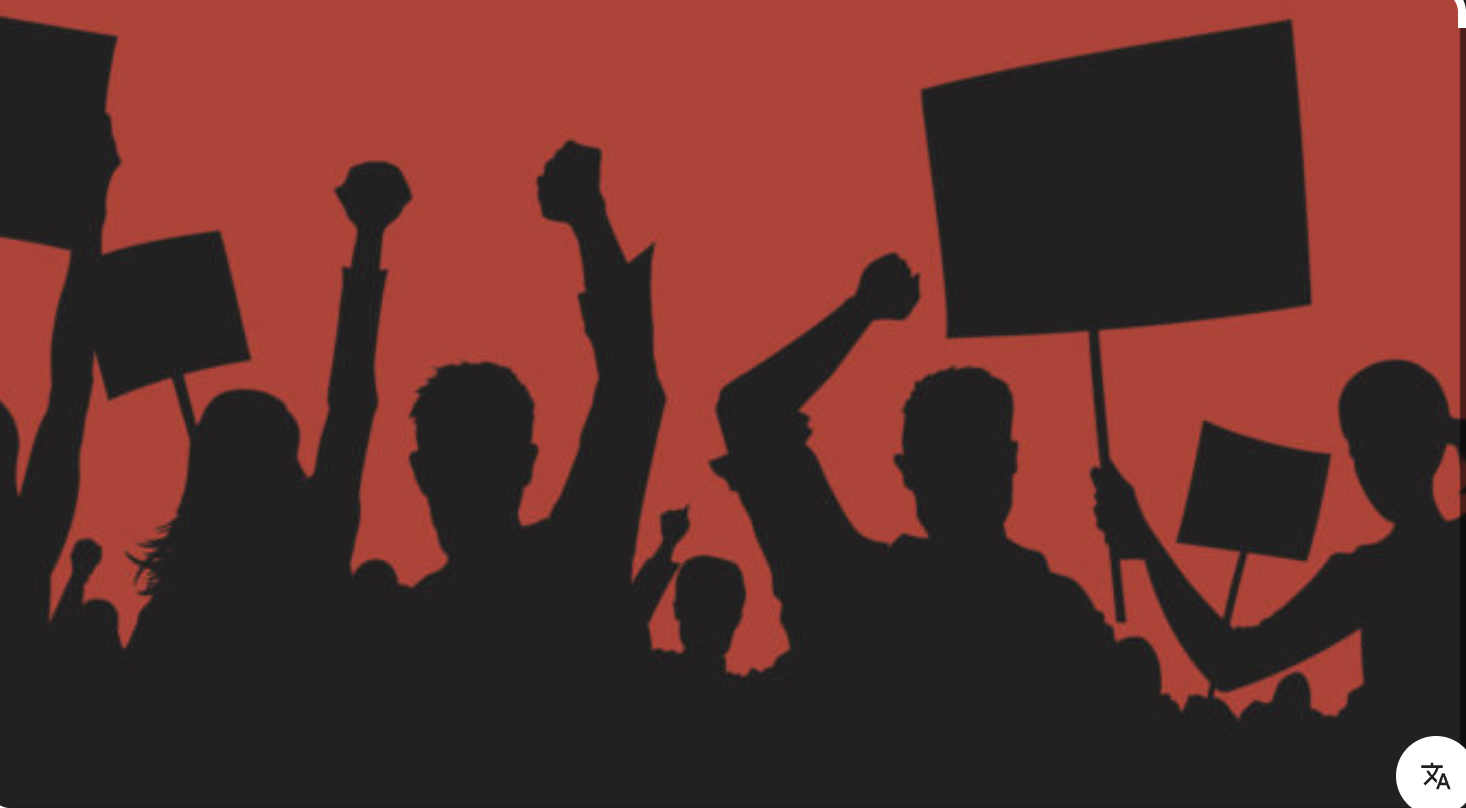
Complexity – how do you balance the right of free speech against the desirability of restricting content that is harmful to society?
The EU’s Digital Service’s Act is based on nuanced case law – see references to cases in Hungary and Estonia here – which decided on the difference between content which was merely “offensive,” which is allowed speech, and content with his “harmful” which is speech that is subject to sanctions – which may be fines, or, as a last resort, suspension of a news outlet.
Context
The context for this debate is that there are numerous organisations on all sides of the political spectrum that aim to influence and reduce speech that they disagree with or feel is harmful. For example, The Daily Telegraph has for years campaigned to shut down the BBC. There are also organizations like the Center for Countering Digital Hate and the Global Disinformation Index which campaign to reduce what they consider harmful misinformation by publishing articles focusing on the harms caused by content, and calling for outlets to change their practices.
So, outside the sphere of government, there is a vast sphere of comment, argument and organizational pressure to promote or demote a wide range of information and disinformation. Is this democratic? Absolutely. Organizations should be free to argue their case and criticize other organizations that they disagree with.
When it comes to governments, there needs to be a different standard, carefully guided by legislation – and we have well established examples such as the Digital Services Act in the EU, Ofcom and IPSO in the UK. If companies and outlets are to be subject to legislation, as above, these restrictions and policies need to be decided and carefully refined in a democratic political system where the balances and nuances are debated and adjusted.

Debate
Given the above, the claim, by some, including the current US administration, that organizations which campaign against misinformation, or pursue fact-checking, are undemocratic and tyrannical, is clearly false. There are, for example, many organizations campaigning on behalf of the views of the current US administration, calling for the closing down of countering points of views. They are legally entitled to do this. They are not, however, logically entitled to claim that opposing organizations which call for restrictions on some speech are undemocratic, given that they themselves, including the US administration, are engaged in exactly the same activity. This is obvious hypocrisy.
Preserving free speech is a very high priority for any society – it involves allowing a great range of views to be publicly expressed. At the same time, it is clear to me that harmful speech, illegal speech, and dangerous disinformation, need to be discouraged and restricted – that is not counter to democracy and free speech, it’s a common sense approach to deciding what is best for society as a whole.
Free speech, as is well established in law and by tradition, does not mean that it is OK to shout “Fire!” in a crowded theatre, or to insist in a public broadcast that Covid vaccines kill more people than the virus itself, when the opposite is overwhelmingly established by scientific research. In this instance, a very large consensus of epidemiologists have concluded that the vaccines saved multiple millions of lives worldwide. Claiming that the vaccines were more dangerous than the virus risked putting millions of people’s lives in danger. This kind of speech is clearly detrimental to society.
All this is sometimes a difficult and delicate balance, but the simplistic accusation that a restriction, or any call for restriction on speech, which happens to conflict with your own views, must necessarily be tyrannical – is clearly false.
Notes for clarification:
1 The right to free speech is not absolute.
2 I argue that it can be democratic to advocate for restrictions on particular speech acts and kinds of speech acts, and to use methods such as criticism, discouragement of advertising, boycotts, calls for legislation, calls for the withdrawal of financial support and so on, in order to influence what speech is publicised and gains currency.
3 The ability to actually impose legal, statutory restrictions on free speech should only lie with governments and the courts – and should be based on carefully thought out and democratically derived legislation, balancing the right to free speech with the possible harms of particular speech acts to society.
 francismead.com
Leave a comment