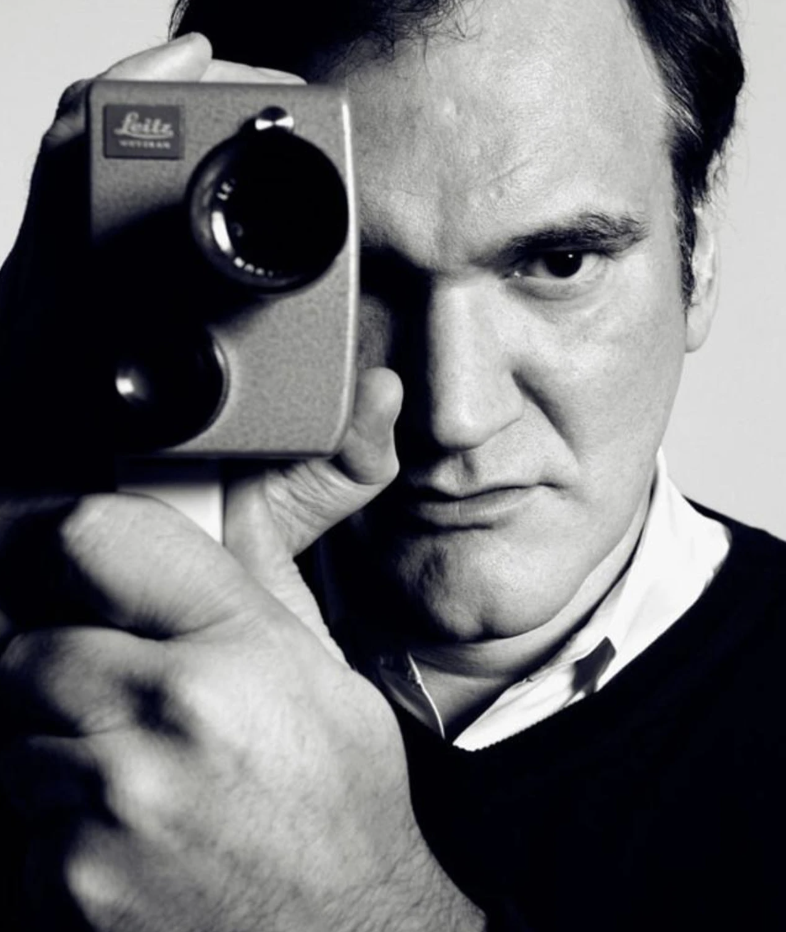
This is a simple and unsubtle argument – by conscious and deliberate decision – since I think the question and answer on this subject are very simple. I openly admit I have only watched the whole of one Tarantino film, Reservoir Dogs, and I have watched sections of three others: Pulp Fiction, Django and Inglourious Basterds.
My conclusion from watching his films is this – they are written and conceived of at the mental and psychological level of a seven-year-old. The most recent extract I watched was from Inglourious Basterds.
The opening scene is memorable. I accept that Tarantino has considerable skill in some aspects of filmmaking – he is a good craftsman in terms of creating tension and menace – at least at times. The scene involves a Nazi officer visiting the home of a French farmer in WW2. The farmer is hiding a Jewish family below his floorboards. The Nazi officer gradually presses his hunt to its grisly climax. This scene, unlike most in Tarantino, is well-acted. It is highly disturbing, but not, eventually, in the way that I think Tarantino intended.
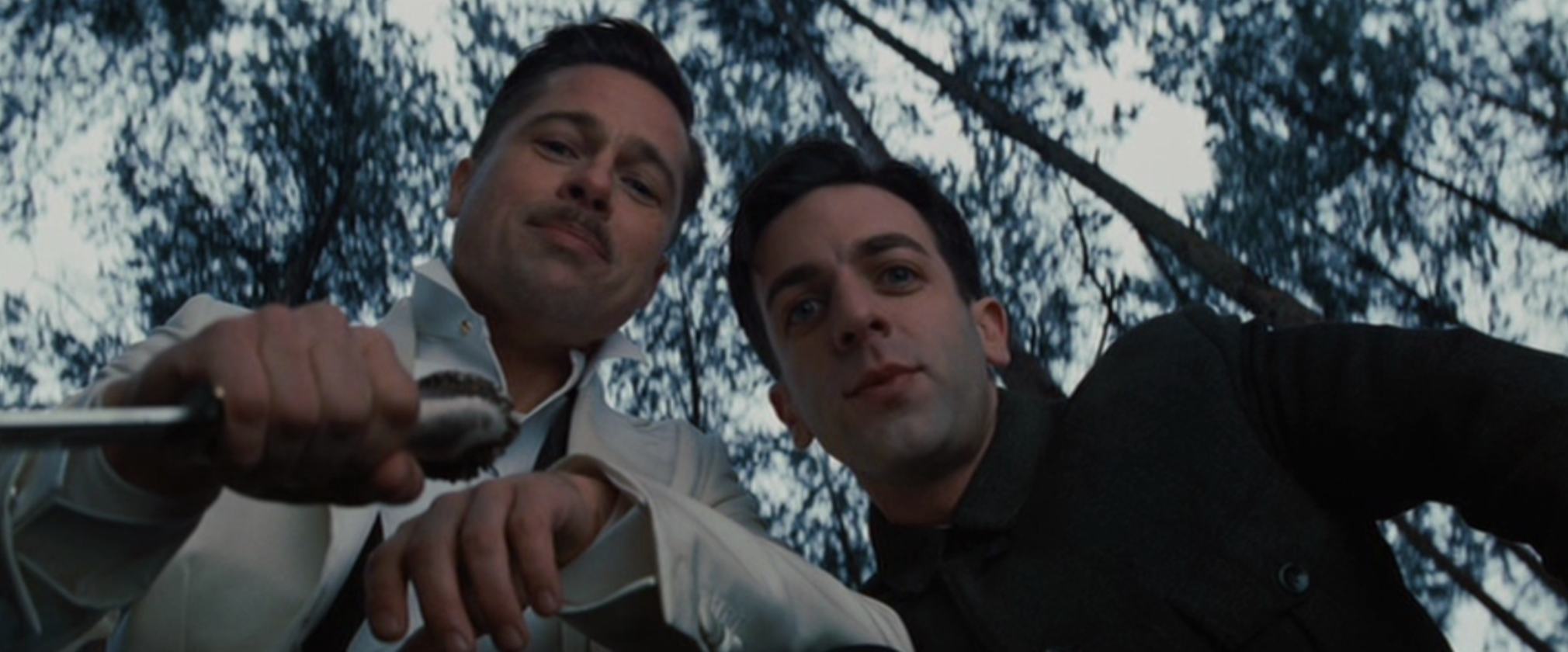
The problems with Tarantino’s filmmaking are a) its fundamentally simplistic and childish nature and b) its delight in violence. Here, the Nazi officer is simply a monster – he is so vicious that there can be no other quality we can feel in him. Such a quality IS possible in real life – there are sociopaths in existence, but I argue this is not what we look for in good art, with a few honourable exceptions. And this isn’t one of them.
Good art always seeks the richness of complexity, of ambiguity – it is not simply black and white. Tarantino’s art is black and white. The scene is simply a set up. The audience are set up to hate the Nazi officer so much that they will then root for the violent absurdity of the following scenes, where a crew of anti-Nazi hunters hunt down, kill and scalp German soldiers.
I don’t argue this often, but I believe this kind of storytelling is highly irresponsible. It reduces human morality to a kind of gruesome nursery-rhyme level. There are evil people and there are good people, full stop. And the good people have the absolute right to inflict whatever horror they wish on the bad people.
Life simply isn’t like that, for 99% of the time. Violence and cruelty are usually not the best solution to society’s problems. Very few, probably no, people are a hundred percent good or a hundred percent bad. Shaping our lives on such a worldview would return us to an age where no laws existed, where no appreciation of human complexity existed, where cruelty and violence were the primary tools for control. These films encourage and even celebrate this kind of world view. That is irresponsible.
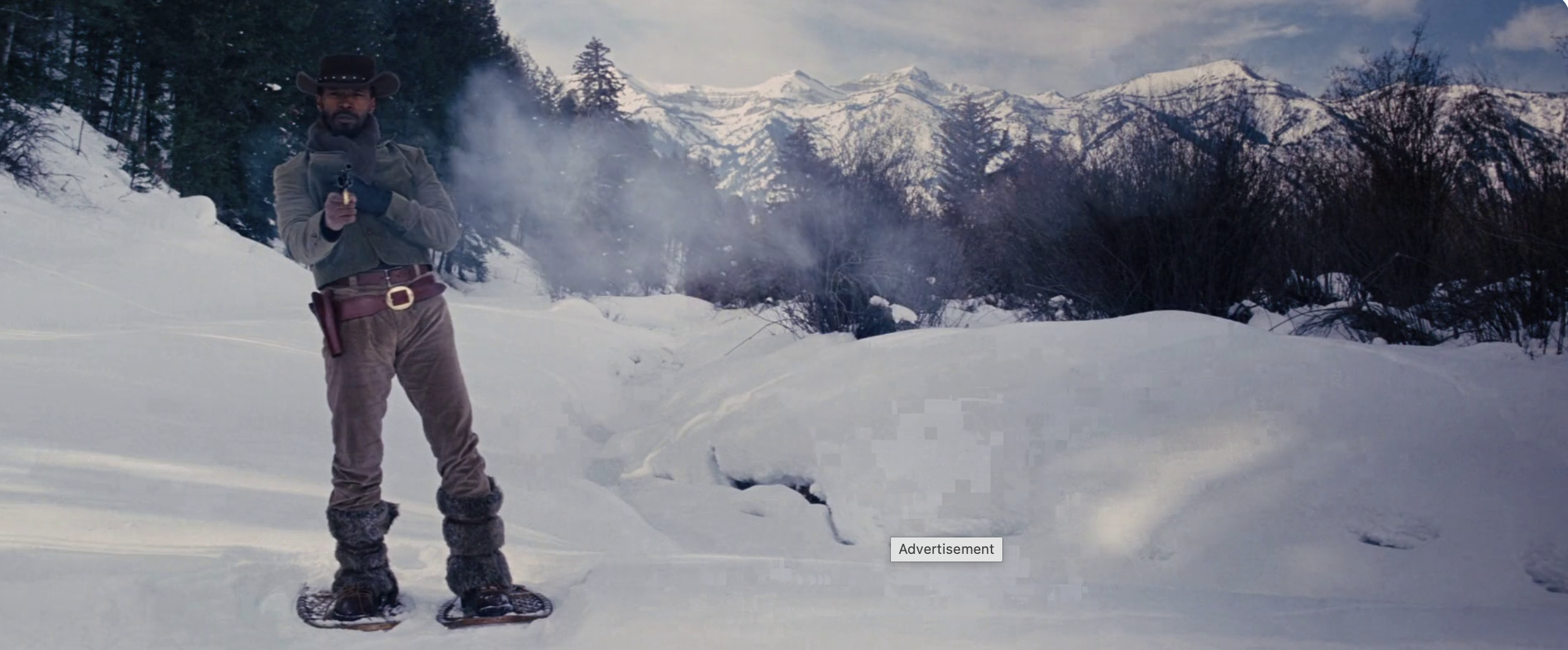
The same goes for the extracts from Django – where slavery is reduced to a crude, childish revenge story, with goodies and baddies, Reservoir Dogs – where torture is clearly celebrated and dwelt on with glee, or Pulp Fiction, where characters behave like children as they plan killing and murder. In fact, pretty much all of Tarantino’s characters are children masquerading as adults.
Although there are exceptions, Tarantino’s direction often leads to appallingly bad acting since the premises are so spurious and unnatural. Take Brad Pitt in Inglourious Basterds. Pitt is a decent actor but he needs a good director. I have never seen him so bad in a film as this one – he is a cardboard cut-out. I’m not American, and I’m by no means an expert on American accents, but I can hear immediately that his regional accent is fake. It’s fake because he’s not actually playing a real person, he’s playing something that remains entirely artificial, not a real human being. Tarantino’s film doesn’t reach toward real human beings – which I believe is necessary for good art – it reaches to caricatures of human beings. So his films are entirely caricatural.
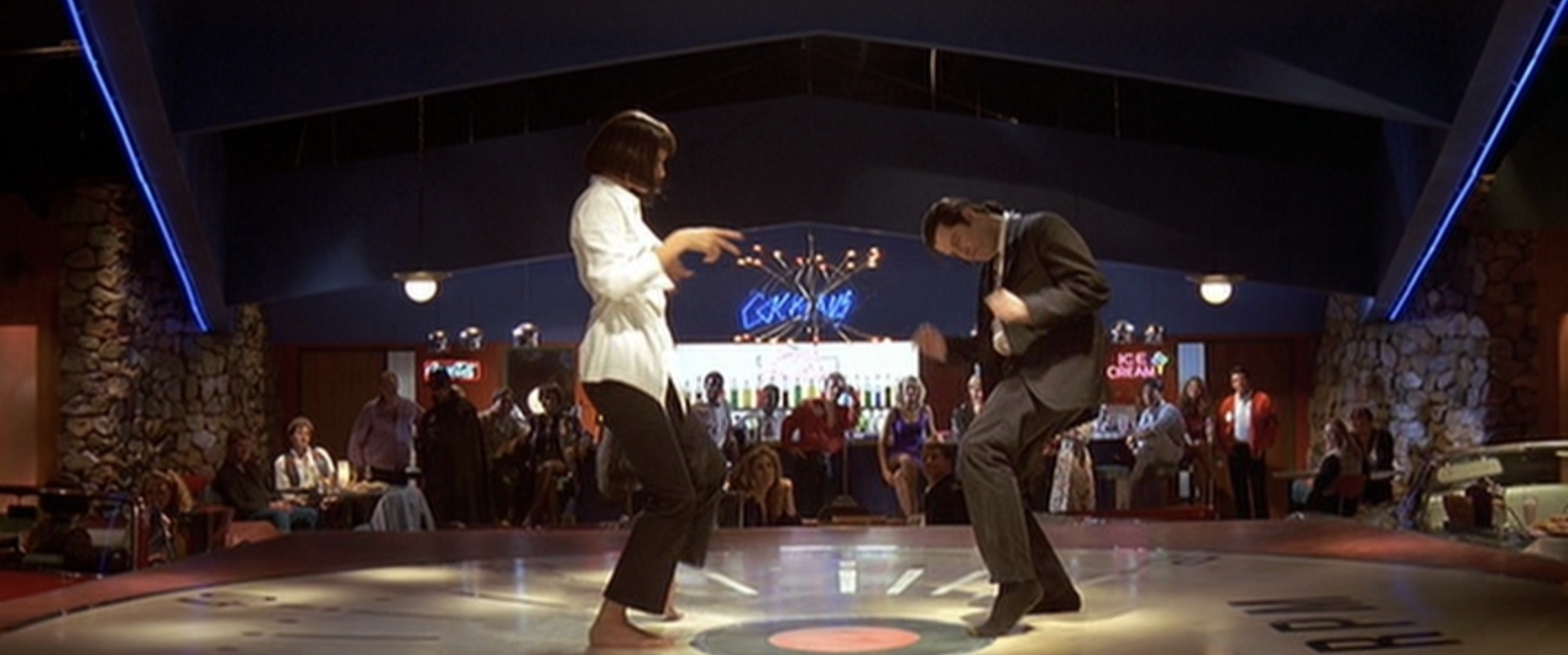
I find this distortion of reality, especially with its never ending insistence on violence, very disturbing. I simply don’t want to watch his films after a few minutes, I find them poisonous.
And yet, for some reason, Tarantino has received a vast amount of praise for his filmmaking, especially from film critics, who have described his films as “fantastic” and “cool”. These crude, childish, violence-obsessed works have somehow been given a pass, and much more than that – elaborate praise. Why? For me, it really is a prime example of the Emperor’s New Clothes: the emperor has no clothes – the films really are childish and irresponsible, but an awful lot of critics somehow convince themselves they are seeing something sophisticated and creative.
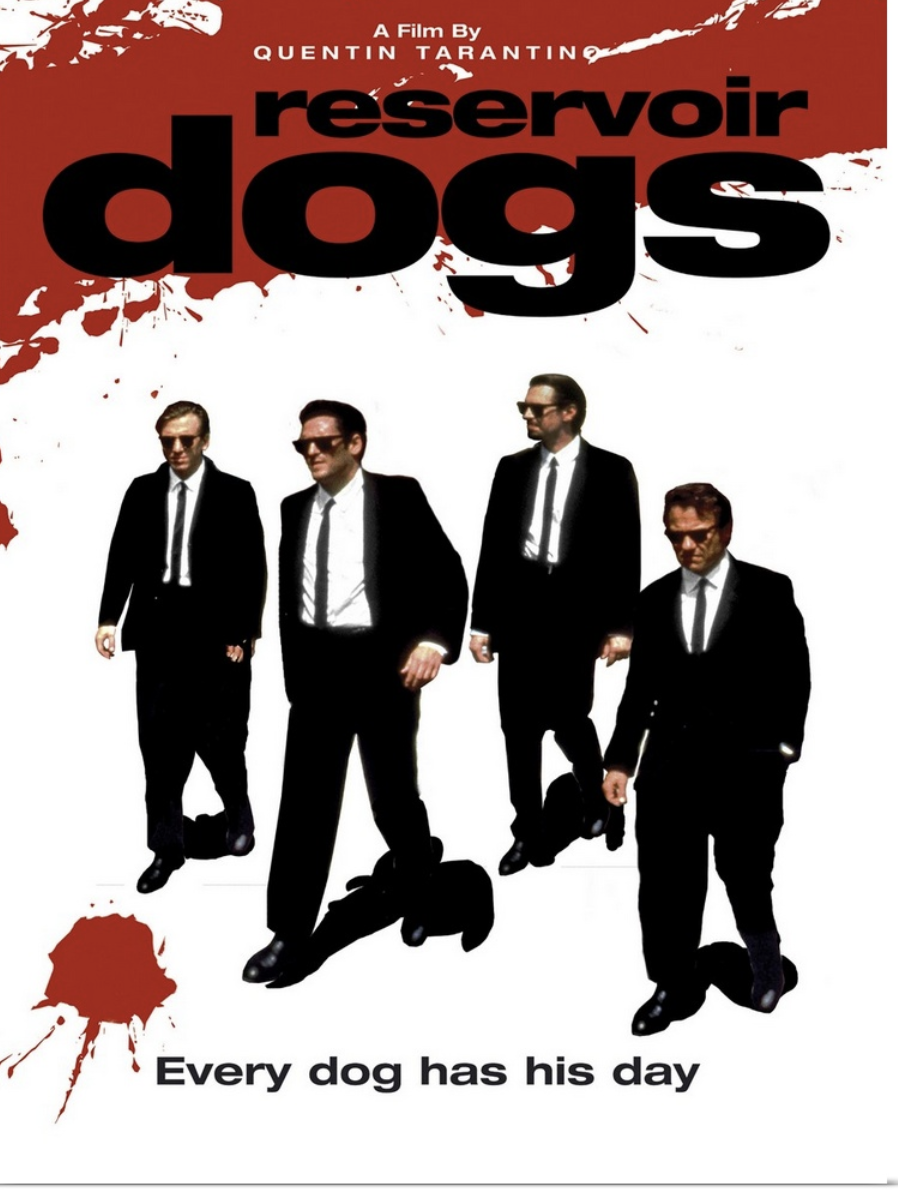
Tarantino’s films are not based on lived reality in the actual world. His morality and outlook seem to be almost entirely drawn from the film world. It’s as if he believes that schlock movies are a faithful rendering of life as it is actually experienced by human beings. They aren’t.
And no, I don’t buy the argument that because the films resemble a “let’s pretend” game it’s all simply a bit of fun that we can celebrate. I don’t think art is a “let’s pretend” game if you drill down into it – the value of art lies in how it shapes our view of the world, how it moves us, influences us, changes us. The playfulness of these films actually makes them more disturbing and destructive, the violence more poisonous. I don’t argue you can’t ever use humour or even lightness in movies about subjects like war, slavery, murder and torture – but I do argue that, at the heart of your film, you need to treat these subjects in a deeply responsible, serious way. I don’t get any sense of that in Tarantino’s films.


Leave a Reply